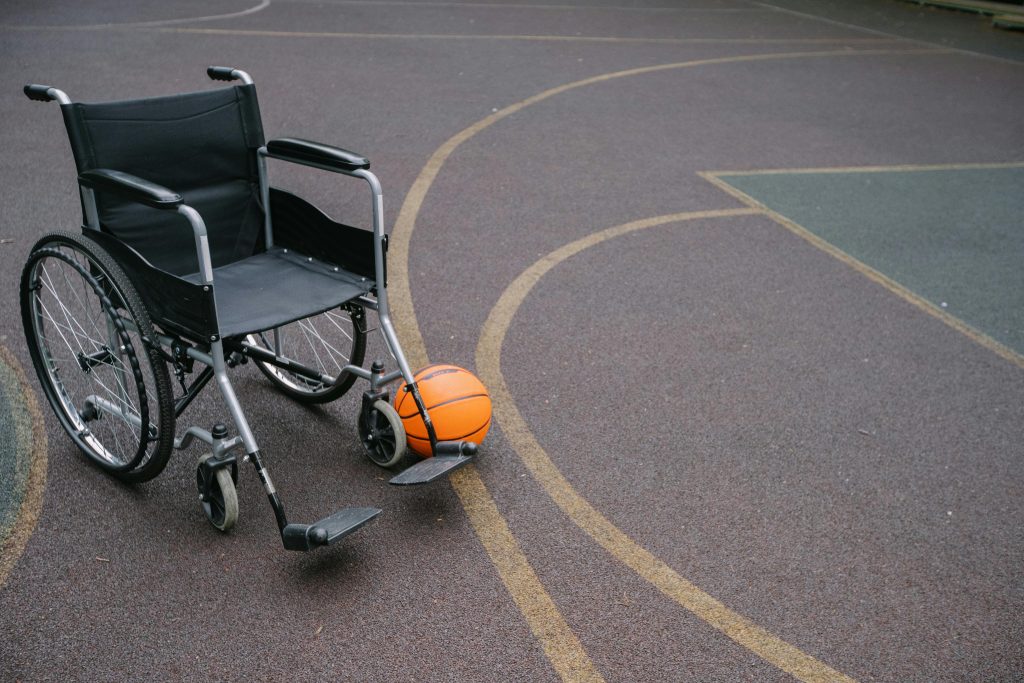
People with complex disabilities often face multiple challenges—physical, cognitive, and sensory—that make everyday interactions and activities harder. But that doesn’t mean fun and social interaction are off the table. In fact, social games can play a big role in improving quality of life, encouraging communication, and building confidence.
The right games are not only entertaining, but also accessible and supportive of different abilities. Below are five excellent social games that work well for people with complex disabilities:
1. Boccia
What it is:
Boccia is a precision ball sport similar to bocce. It’s a Paralympic sport designed for individuals with severe physical disabilities, especially those who use wheelchairs.
Why it’s great:
- It encourages strategic thinking and teamwork.
- The game is easy to understand: throw or roll balls to get as close as possible to a target ball.
- Players can use ramps, head pointers, or assistants to throw, making it highly adaptable.
- It can be played one-on-one or in teams, which supports social engagement.
Social value:
Boccia promotes inclusion and friendly competition while also offering opportunities for players to develop new relationships in group settings.
2. Switch-Activated Group Games
What it is:
These are digital or physical games that can be controlled using accessible switches—large, easy-to-press buttons or adaptive devices. Examples include cause-and-effect games or simple trivia that can be played on tablets or smartboards.
Why it’s great:
- Switches allow people with limited mobility to participate independently.
- Many games are designed to include visual, auditory, and tactile feedback to keep users engaged.
- Multiplayer settings make it possible to take turns, cheer each other on, or play in teams.
Social value:
These games allow players with different needs to interact with each other, caregivers, or peers without needing to rely solely on speech or complex movements.
3. Sensory Storytelling Games
What it is:
These games involve telling or experiencing a story using a mix of visuals, sounds, textures, and even smells. Players can take part by touching different props, pressing buttons for sound effects, or choosing what happens next in the story.
Why it’s great:
- Engages multiple senses but doesn’t necessarily demand all of them, making it suitable for people with visual, hearing, or cognitive impairments.
- Offers choices and interaction without requiring spoken language or fine motor skills.
- Stories can be tailored to the players’ interests, making each session feel personal and fun.
Social value:
Sensory storytelling encourages shared experiences. It helps spark conversation, laughter, and emotional connection—even among people with limited verbal ability.
4. Pictionary with Adaptations
What it is:
The classic drawing and guessing game, but modified for accessibility. Instead of using pens and paper, participants can use touchscreen tablets, magnetic boards, or apps that simplify drawing.
Why it’s great:
- Encourages teamwork, laughter, and quick thinking.
- Visual learners or those who struggle with words get to shine.
- Can be played in groups, making it a lively and interactive activity.
Social value:
It’s great for mixed-ability groups and encourages non-verbal expression. Adapted tools allow everyone to contribute in a meaningful way, regardless of most physical or learning challenges.
5. Music Jamming or Rhythm Circle
What it is:
Participants create rhythms or simple music together using adapted instruments—like touch-sensitive drums, shakers, or even digital apps with one-tap controls.
Why it’s great:
- No musical skill is needed.
- Instruments can be adapted for hand, head, or foot use.
- Encourages turn-taking, coordination, and attention to others.
Social value:
Making music together builds group energy and can be calming or stimulating depending on the setting. It helps with bonding and gives every participant a voice through sound.
References
TechOWL (2025) About Adaptive Games [Accessed 20 September 2025] Available at: https://techowlpa.org/dogs-page/adaptive-games/
Sense (2025) Inclusive games to play with people with complex disabilities [Accessed 25 September 2025] Available at: https://www.sense.org.uk/our-services/arts-sports-for-disabled-people/sport/sport-and-physical-activity-resources/making-sense-of-mini-games/
Kim Patterson (2016) Sensory Stories for People With Multiple Disabilities [Accessed 25 September 2025] Available at: https://leader.pubs.asha.org/doi/10.1044/leader.MIW.21082016.34