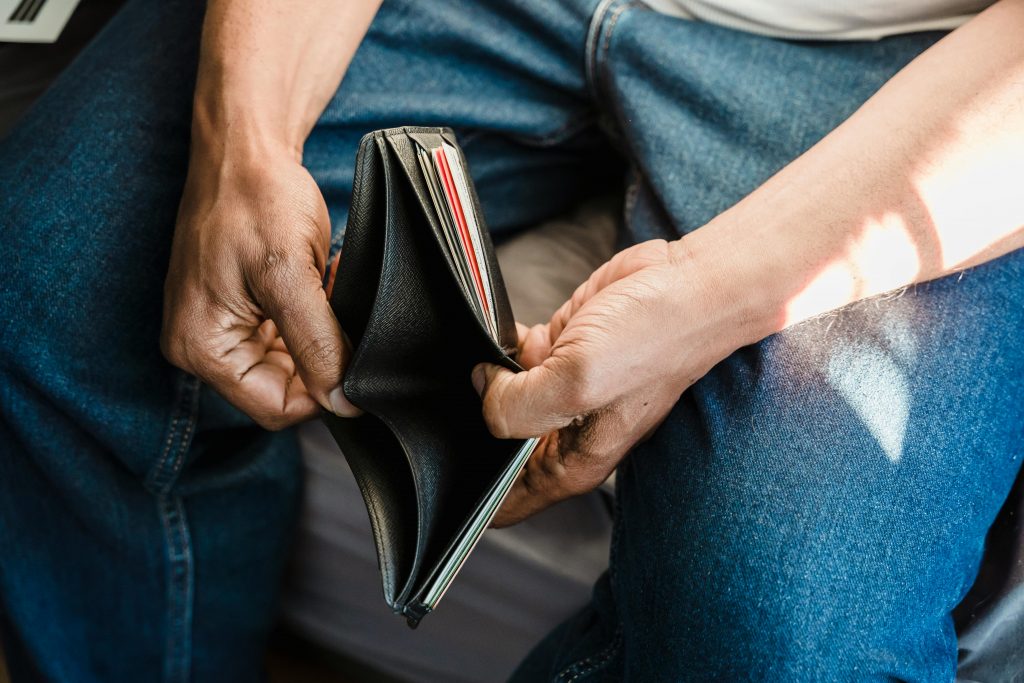
Living with a disability in Malaysia often brings hidden expenses that many people do not see. These costs are not just medical or one‑time. They appear in everyday needs, design gaps, and public services that are hard to use. Together, these create a heavier financial burden for people with disabilities.
Why the Cost Is Higher
Assistive Devices and Maintenance
Many people with disabilities need specialized devices such as wheelchairs, hearing aids, or mobility aids. These items can be expensive, and repairs or replacement parts add further costs. Some people delay repairs because of financial constraints.
Everyday Products Not Designed for Accessibility
Mainstream products often do not consider accessibility. As a result, people with disabilities may need adapted versions of common items, like kitchen tools, clothing, or shoes. These adapted products usually cost more than regular versions.
Transport and Mobility Costs
Public transport in Malaysia offers benefits for persons with disabilities through programs like the OKU Card. However, buses, trains, and ride‑hailing vehicles are still not fully accessible. People may rely on more expensive private transport if public options are limited or unreliable.
Healthcare, Support, and Services
Medical appointments, therapies, and support services involve repeated travel and sometimes extra payments. Even with government allowances, such as the RM1.2 billion allocation for persons with disabilities in Budget 2023, many hidden costs remain.
Reducing the Burden
Make More Products Accessible
Manufacturers can adopt universal design so mainstream products can serve more people. This reduces the need for costly adapted items.
Improve Transport Access
Better wheelchair access, ramps, and accessible ride‑hailing options reduce reliance on expensive private transport.
Strengthen Support and Subsidies
Extending subsidies, covering repairs, and supporting device maintenance can lower long‑term costs.
Ensure Digital and Service Accessibility
Online shopping, banking, and government portals should be accessible. When they are not, people may need help or expensive alternatives.
Include Persons With Disabilities in Planning
Involving people with disabilities in design decisions helps identify barriers and reduces unnecessary costs.
Moving Forward
The extra cost of disability is a real and ongoing challenge. From everyday products to transport and digital access, people with disabilities face financial barriers that others may not notice. Inclusive design, stronger support systems, and accessible services can reduce these hidden costs and allow everyone to participate fully and independently.
References
Ministry of Finance Malaysia (2022) RM1.2 bln allocated for persons with disabilities [Accessed 25 October 2025] Available at: mof.gov.my
Free Malaysia Today (2022) How an OKU card benefits persons with disabilities [Accessed 25 October 2025] Available at: freemalaysiatoday.com
Kidsogenius (2025) Benefits of Malaysia’s OKU Card for Children with Disabilities [Accessed 25 October 2025] Available at: kidsogenius.com