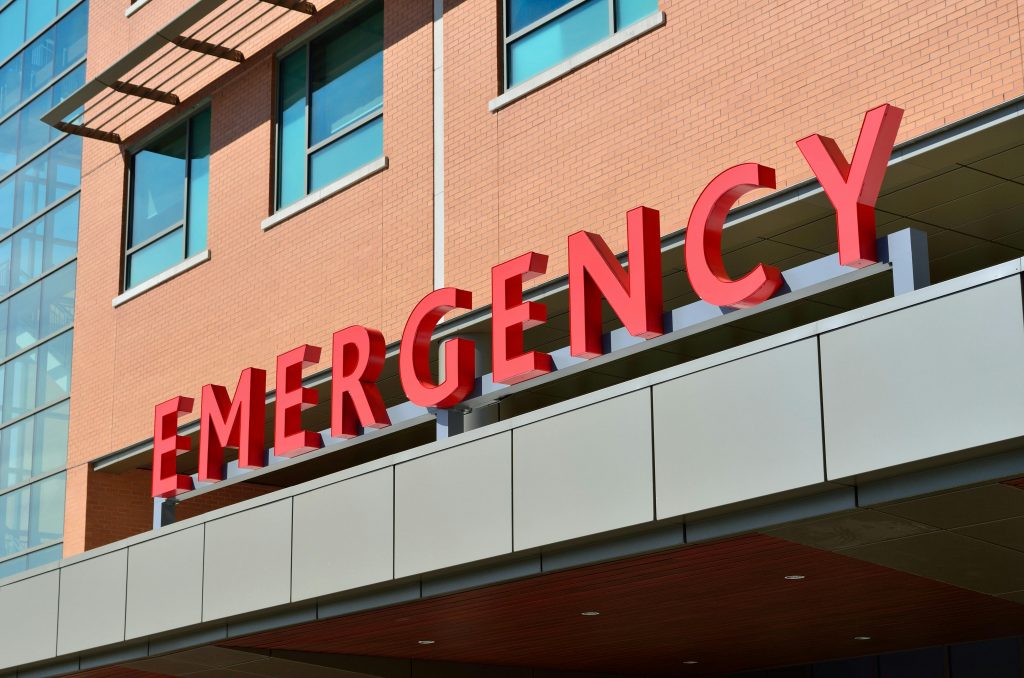
Disasters can affect anyone, but people with disabilities often face unique and overlooked challenges. Whether natural disasters, fires, or public health emergencies, inadequate planning can put people with disabilities at higher risk. Emergency preparedness must consider mobility, sensory, and cognitive needs to ensure everyone can stay safe.
Barriers Faced by People With Disabilities
Physical Accessibility
Evacuation routes, shelters, and transportation often fail to accommodate people with mobility impairments. Broken ramps, narrow doorways, or inaccessible buses can prevent safe evacuation. Even when accessible infrastructure exists, it may be poorly maintained or unreliable during crises.
Communication and Alerts
Emergency alerts are often delivered in formats that do not reach everyone. Text messages may not be accessible for visually impaired people, and audio alerts are ineffective for those who are deaf or hard of hearing. Lack of sign language interpreters or captioning in live broadcasts can leave many people uninformed.
Shelters and Services
Temporary shelters and relief centers may not provide accessible toilets, medical equipment, or spaces for assistive devices. Staff often lack training on supporting people with disabilities, which can lead to neglect or unsafe conditions.
Cognitive and Sensory Barriers
People with cognitive disabilities may struggle to understand complex instructions during emergencies. Loud noises, flashing lights, or chaotic environments can overwhelm individuals with sensory sensitivities, making evacuation or staying safe more difficult.
Steps to Improve Disaster Preparedness
Inclusive Planning
Authorities should include people with disabilities in emergency planning. Their input helps identify gaps in infrastructure, communication, and shelter services, ensuring policies meet real needs.
Accessible Communication
Disaster alerts should be delivered in multiple formats, including audio, text, captions, and sign language. Clear and simple instructions help everyone understand the steps to stay safe.
Training and Awareness
First responders, shelter staff, and volunteers should be trained to assist people with disabilities. Understanding how to support mobility, sensory, and cognitive needs reduces risks and improves outcomes.
Accessible Infrastructure
Evacuation routes, public transport, and shelters should be fully accessible. Regular maintenance and audits ensure ramps, elevators, and accessible toilets function properly during emergencies.
Technology and Assistive Tools
Mobile apps, GPS-based alerts, and wearable devices can provide personalized emergency guidance for people with disabilities. These tools can help individuals navigate evacuation routes or request assistance quickly.
References
Adriana Mangones (2025) Disability Inclusive Disaster Preparedness [Accessed 25 December 2025] Available at: https://preparecenter.org/topic/disability-inclusive-disaster-preparedness/
MSDH (2025) Disaster Preparedness for People with Disabilities [Accessed 25 December 2025] Available at: https://msdh.ms.gov/page/44,4796,122,218.html
Zoe Elena Trohanis & Susan M. Blaustein (2023) 5 tips for inclusive disaster-risk management planning [Accessed 25 December 2025] Available at: https://blogs.worldbank.org/en/sustainablecities/5-tips-inclusive-disaster-risk-management-planning